E-commerce Shipping in India 2026: The Complete Guide for Online Sellers
Shipping is the single biggest operational lever in Indian e-commerce. It decides your margins, your customer experience, and ultimately whether a buyer comes back for a second order.
Yet most sellers — from first-time D2C founders to established MSMEs — still treat shipping as an afterthought bolted on after the sale, instead of a core part of the business strategy. This guide walks through everything a seller needs to understand about e-commerce shipping in India in 2026, from the basics of zones and weight to the advanced practices that separate high-performing sellers from the rest.
Understanding Shipping Zones
Every courier in India prices shipments based on zones — verify serviceable locations using our Pincode Serviceability Checker and calculate exact zone tariffs. Typical zone classifications include:
- Zone A (Local): Same city delivery
- Zone B (Regional): Within the same state or neighbouring state
- Zone C (Metro to Metro): Between major metro cities
- Zone D (Rest of India): Delivery to non-metro towns and cities
- Zone E (Special/Northeast, J&K, remote): Hardest to service, highest cost
Understanding which zones your customers actually order from is the first step toward controlling shipping cost — a seller shipping predominantly to Zone D and E pincodes needs a very different courier mix than one shipping mostly within a single state.
Volumetric Weight: The Cost Sellers Often Miss
Courier partners charge on whichever is higher: the actual weight of the parcel, or its volumetric (dimensional) weight, calculated as Length × Width × Height (in cm) ÷ 5000. A lightweight but bulky product — think a lampshade or a stack of apparel in a large box — can end up costing far more to ship than its physical weight suggests. Right-sizing packaging is one of the most underused cost levers in Indian e-commerce.
Cash on Delivery (COD) and Its Operational Weight
COD remains a major share of order volume in India, particularly outside metro cities, but it also brings higher RTO risk, delayed cash flow, and reconciliation overhead. A seller's shipping strategy needs a clear view of how COD orders are verified, tracked, and reconciled — not just how they're delivered.
RTO and NDR: The Silent Margin Killers
Return-to-Origin (RTO) and Non-Delivery Reports (NDR) are where a large share of e-commerce profitability quietly disappears. Wrong addresses, customer unavailability, COD refusal, and poor delivery-attempt management all contribute. Reducing RTO isn't a single fix — it's a combination of address intelligence, proactive customer communication, and disciplined NDR follow-up. Check return probabilities with the Free RTO Rate Calculator.
Tracking and the Post-Purchase Experience
Modern buyers expect real-time, accurate tracking — not just a tracking number that leads to a static page. Delayed or inconsistent tracking updates are one of the top drivers of "Where is my order" support tickets, and a major contributor to customer dissatisfaction even when the delivery itself is on time.
Choosing the Right Courier Partner
There is no single "best" courier for every seller. The right partner depends on the pincodes you serve, your parcel weight profile, your COD mix, and your delivery SLA expectations. This is exactly the gap a multi-courier aggregation model is built to close.
Why Shiplystic
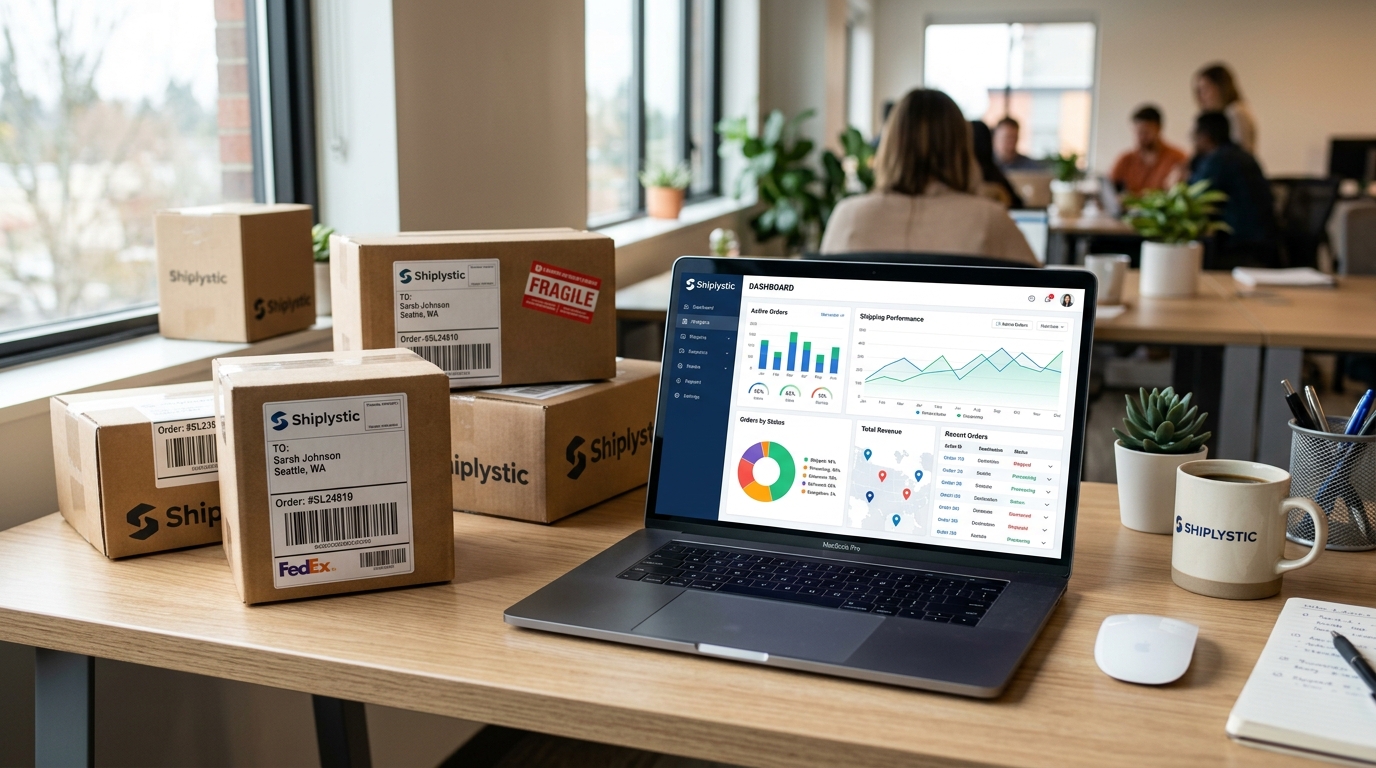
Shiplystic aggregates India's leading courier, freight, and last-mile partners on a single platform, so you're never locked into one carrier's limitations. Ship, track, and scale — all from one dashboard.