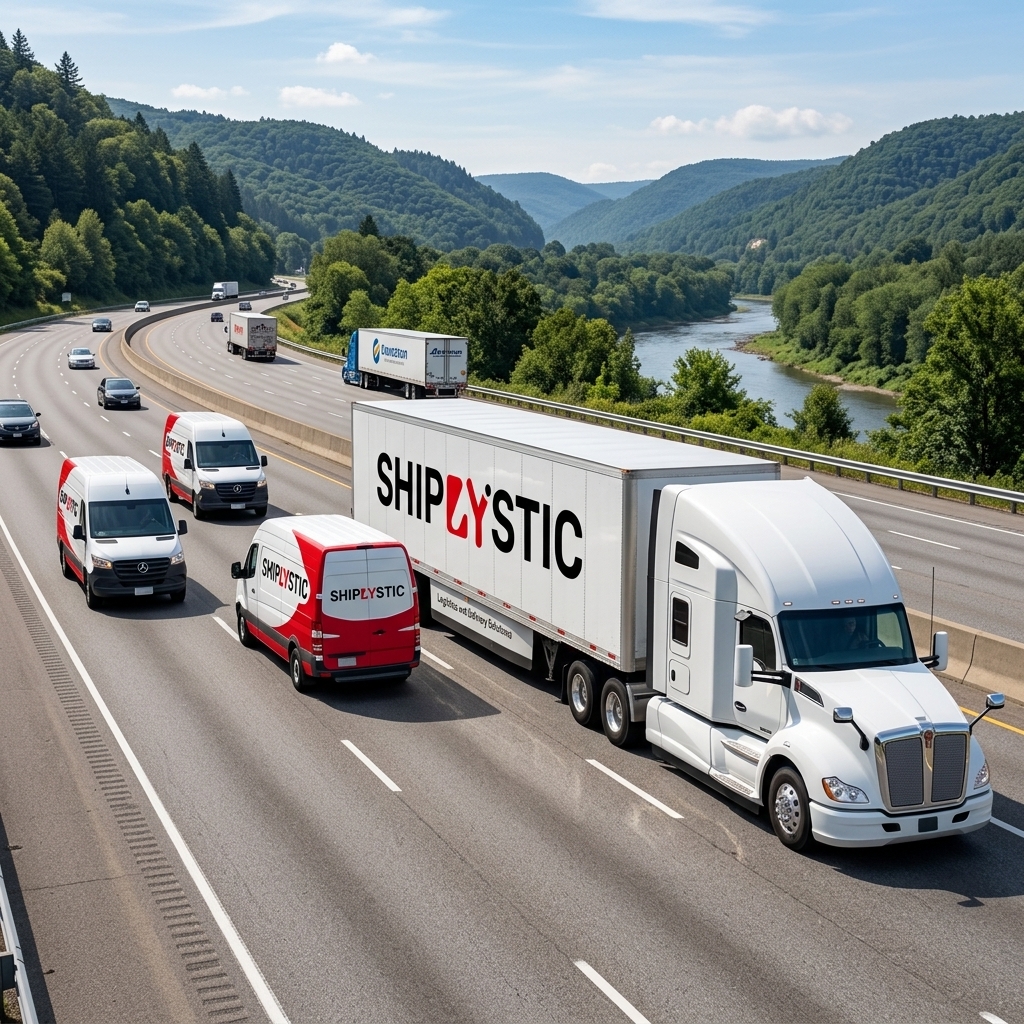
Multi-Courier Shipping: Why Businesses Should Stop Depending on One Courier
For years, the default e-commerce shipping setup in India was simple: pick one courier, negotiate a rate card, and route every order through it. That model is breaking down.
As customer expectations rise and competition tightens margins, businesses that depend on a single courier are structurally disadvantaged against those using a multi-carrier approach.
Better Serviceability, Nationwide
No single courier has uniformly excellent coverage across all of India's pincodes. A multi-courier setup lets a business route each order to whichever partner actually has strong delivery infrastructure in that specific location — expanding effective serviceability without adding a single new warehouse or vendor negotiation of your own.
Rate Optimisation Across Zones and Weight Slabs
Courier pricing is rarely uniform across zones and weight bands. One partner may be cheapest for light parcels within a state; another may win on heavier, cross-zone shipments. Multi-courier shipping lets rate become a routing variable, not a fixed cost.
Backup Carrier Availability
Single-courier dependence creates a single point of failure. Service disruptions, regional strikes, weather events, or a courier's internal capacity issues can stall an entire business's fulfilment overnight. A multi-carrier network absorbs these shocks by automatically shifting volume to available partners.
Faster Deliveries Through Competitive Routing
When couriers are competing for volume based on measured performance, delivery speed tends to improve — sellers aren't locked into whichever transit time a single partner offers.
Reduced Operational Dependency
Perhaps most importantly, multi-courier shipping removes the leverage a single vendor holds over your business. Rate renegotiations, service-level disputes, and unilateral policy changes matter far less when no single partner controls 100% of your fulfilment.
This shift toward multi-carrier models is one of the clearest structural trends in Indian e-commerce logistics as the industry becomes increasingly technology-driven, with businesses expecting the same kind of dynamic, data-led decision-making in shipping that they already apply to marketing and inventory.
Why Shiplystic
Shiplystic was built around exactly this model — aggregating courier, freight, and last-mile partners under a single "Ship → Track → Scale" platform, so businesses of every size get multi-carrier resilience without managing multiple vendor relationships themselves.